The Journey from Ingredient to Signature Scent
The Journey from Ingredient to Signature Scent
A remarkable fragrance is more than a pleasant aroma—it is a carefully crafted experience. Every signature scent begins with a vision and evolves through a meticulous process that combines artistry, science, and passion. At Clima Craft, we believe that every perfume tells a story, and that story starts long before the fragrance reaches the bottle. From selecting premium ingredients to perfecting the final blend, the journey from ingredient to signature scent is a fascinating exploration of creativity and craftsmanship.
The Foundation of Every Great Fragrance
The heart of any perfume lies in its ingredients. Perfumers carefully select raw materials from around the world to create unique and memorable compositions. These ingredients can come from natural sources such as flowers, fruits, spices, woods, and resins, or they can be developed through advanced fragrance technology.
Natural ingredients often bring depth and authenticity to a fragrance. Delicate rose petals, rich oud wood, creamy sandalwood, vibrant citrus fruits, and exotic jasmine blossoms each contribute distinctive characteristics that help define the perfume's identity. The quality of these ingredients plays a significant role in determining the fragrance's overall elegance and longevity.
Sourcing the Finest Materials
Creating a luxury fragrance begins with sourcing exceptional ingredients. Many of the world's finest perfume materials are harvested from specific regions known for their unique climate and growing conditions.
For example, roses cultivated in select regions are prized for their rich aroma, while oud, one of the most sought-after fragrance ingredients, is valued for its deep, woody character. Similarly, sandalwood, vanilla, amber, and musk-inspired accords are carefully selected to ensure consistency and quality.
Sustainable sourcing has also become an important aspect of modern perfumery. Ethical practices help preserve natural resources while ensuring that future generations can continue to enjoy the beauty of these precious ingredients.
Extracting the Essence
Once premium ingredients are selected, the next step is extraction. This process captures the aromatic compounds responsible for a material's distinctive scent.
Several extraction methods are used in the fragrance industry:
Steam Distillation
A traditional technique commonly used for flowers, herbs, and woods. Steam passes through the raw material, releasing aromatic oils that are then collected and refined.
Cold Pressing
Often used for citrus fruits, this method extracts fragrant oils directly from the fruit peel without the use of heat.
Solvent Extraction
This technique is used for delicate flowers whose aromas might be damaged by high temperatures. It produces concentrated aromatic materials that offer rich and complex scent profiles.
Modern Extraction Technologies
Advanced methods allow perfumers to isolate specific scent molecules, creating precise fragrance compositions while maintaining the integrity of natural aromas.
Each extraction method contributes unique qualities to the final fragrance, helping perfumers achieve the desired balance and character.
The Art of Fragrance Composition
After ingredients are prepared, the true artistry begins. Perfumers, often referred to as "noses," combine different aromatic elements to create a harmonious scent.
A perfume is typically structured around three layers:
Top Notes
These are the first scents noticed after application. They are often fresh, bright, and energetic, featuring ingredients such as citrus, bergamot, or light fruits.
Heart Notes
Also known as middle notes, these emerge after the top notes fade. Floral, spicy, and herbal ingredients commonly form the heart of a fragrance, adding personality and depth.
Base Notes
The foundation of the perfume, base notes provide richness and longevity. Woods, amber, vanilla, musk, and oud are frequently used to create a lasting impression.
The challenge lies in blending these layers so they unfold naturally over time, creating a seamless fragrance journey from the first spray to the final lingering notes.
Testing and Refinement
Creating a signature scent requires patience. A fragrance formula may undergo dozens or even hundreds of revisions before reaching perfection.
Perfumers evaluate how ingredients interact with one another, how the scent develops throughout the day, and how it performs on different skin types. Small adjustments can significantly impact the fragrance's character, balance, and longevity.
Testing ensures that every element works together harmoniously, resulting in a scent that feels refined, memorable, and luxurious.
The Role of Time in Perfume Creation
Time is an essential ingredient in perfumery. After blending, fragrances often undergo a maturation process that allows the ingredients to settle and integrate fully.
During this stage, the perfume develops greater complexity and smoothness. The maturation process helps reveal subtle nuances that may not be immediately noticeable after mixing.
This period of refinement is crucial for achieving the depth and sophistication associated with premium fragrances.
Designing a Unique Identity
A signature scent should do more than smell beautiful—it should evoke emotion and create a lasting impression. Perfumers carefully consider the mood, personality, and story they want the fragrance to convey.
Some scents are designed to feel bold and confident, while others emphasize elegance, warmth, freshness, or mystery. Every ingredient contributes to the fragrance's identity, helping wearers express their individuality through scent.
At Clima Craft, the goal is to create fragrances that resonate with modern lifestyles while maintaining the timeless appeal of luxury perfumery.
Packaging the Experience
Once the fragrance is perfected, attention turns to presentation. Luxury perfume is a complete sensory experience, and the bottle plays an important role in communicating the fragrance's character.
Elegant packaging reflects the quality and craftsmanship within. Every detail—from bottle design to labeling and finishing touches—contributes to the overall impression of sophistication and exclusivity.
A beautifully designed bottle transforms a fragrance into a cherished accessory and a symbol of personal style.
Why Signature Scents Matter
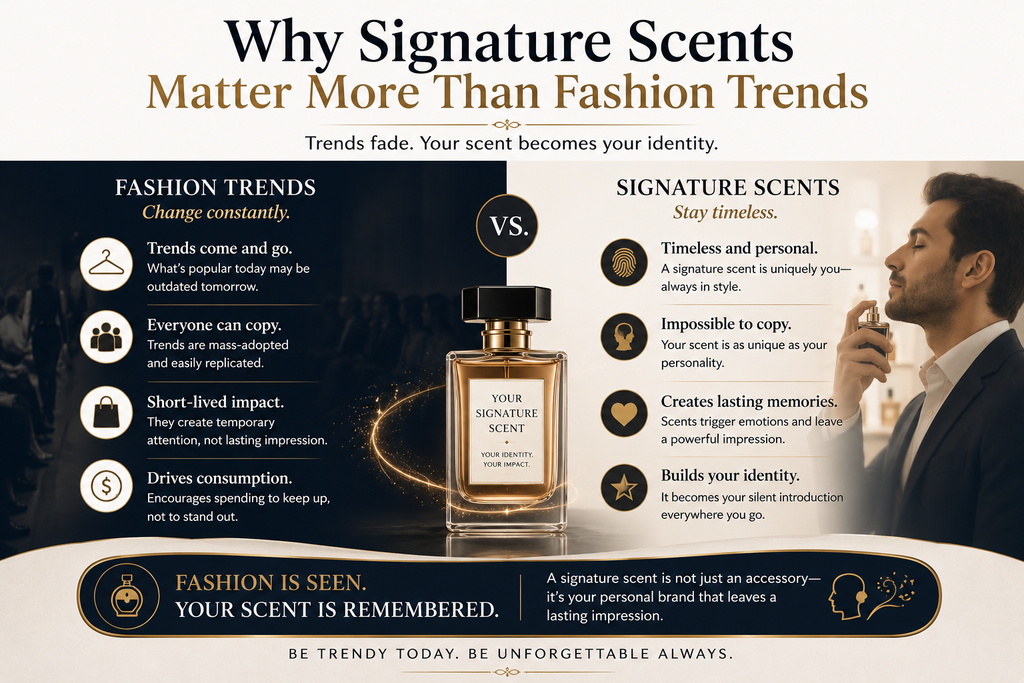
A signature scent becomes part of a person's identity. It creates memories, leaves impressions, and often becomes associated with important moments in life. The right fragrance can boost confidence, enhance mood, and communicate individuality without words.
Because fragrance is deeply personal, the journey from ingredient to signature scent is about more than creating a product. It is about crafting an experience that connects with people on an emotional level.
Conclusion
The journey from ingredient to signature scent is a remarkable blend of nature, science, and artistry. From sourcing exceptional raw materials and extracting their aromatic essence to blending, testing, and refining each composition, every step contributes to the creation of a fragrance that is both memorable and meaningful.
At Clima Craft, this dedication to quality and craftsmanship inspires every fragrance creation. By honoring the beauty of premium ingredients and the art of perfumery, signature scents become more than fragrances—they become expressions of personality, elegance, and timeless luxury.
Related post

03
Jun