How Perfume Became a Symbol of Luxury
How Perfume Became a Symbol of Luxury
Perfume has long been associated with elegance, sophistication, and exclusivity. From ancient civilizations to modern luxury brands, fragrances have played a significant role in defining status and personal identity. Today, owning a premium perfume is often seen as a symbol of refinement and prestige. But how did perfume earn its place as one of the world's most luxurious products? Let's explore its fascinating journey.
The Origins of Perfume
The history of perfume dates back thousands of years. Ancient Egyptians were among the first to use fragrant oils and aromatic resins in religious ceremonies, royal rituals, and personal grooming. Perfume was considered a precious commodity, reserved primarily for pharaohs, nobles, and priests.
As trade routes expanded, exotic ingredients such as frankincense, myrrh, sandalwood, and rare flowers became highly sought after. Their scarcity and value made fragrances a luxury accessible only to the wealthy elite.
Perfume in Royal Courts
During the Middle Ages and the Renaissance, perfume became increasingly popular among European royalty. Kings, queens, and aristocrats used fragrances to showcase their wealth and social standing.
In the lavish courts of France, perfume reached new heights of popularity. The French monarchy, particularly under King Louis XIV, embraced fragrance as an essential part of daily life. Noblemen and noblewomen wore custom-made scents crafted from rare ingredients imported from distant lands.
This exclusivity transformed perfume into more than just a pleasant aroma—it became a statement of power and privilege.
The Art of Rare Ingredients
One reason perfume became synonymous with luxury is the use of rare and expensive ingredients. High-quality fragrances often contain natural extracts derived from flowers, woods, spices, and resins that require extensive harvesting and processing.
For example:
- Rose oil requires thousands of rose petals for a small amount of extract.
- Oud, known as "liquid gold," comes from rare agarwood trees.
- Jasmine must often be harvested by hand during specific hours.
The labor-intensive process and limited availability of these ingredients contribute to the exclusivity and value of luxury perfumes.
Craftsmanship and Expertise
Luxury perfumes are not created overnight. Master perfumers spend years perfecting their craft, carefully blending notes to create unique and memorable fragrances.
Creating a premium scent involves:
- Selecting high-quality raw materials.
- Developing balanced fragrance compositions.
- Conducting extensive testing and refinement.
- Ensuring long-lasting performance.
This dedication to artistry and precision elevates perfume from a simple product to a work of olfactory art.
The Rise of Designer and Niche Perfumes
The 20th century saw the emergence of designer fragrances from renowned fashion houses. These perfumes became symbols of elegance, allowing consumers to experience the prestige of luxury brands through scent.
More recently, niche perfume houses have gained popularity by focusing on creativity, exclusivity, and unique fragrance experiences. Limited-edition releases and artisanal craftsmanship further reinforce perfume's luxury status.
Packaging and Brand Prestige
Luxury is not only about the fragrance itself but also the presentation. Premium perfume brands invest heavily in elegant packaging, sophisticated bottle designs, and premium materials.
Beautiful crystal bottles, intricate detailing, and luxurious packaging enhance the overall experience, making perfume feel like a treasured possession rather than an everyday product.
Perfume as a Personal Statement
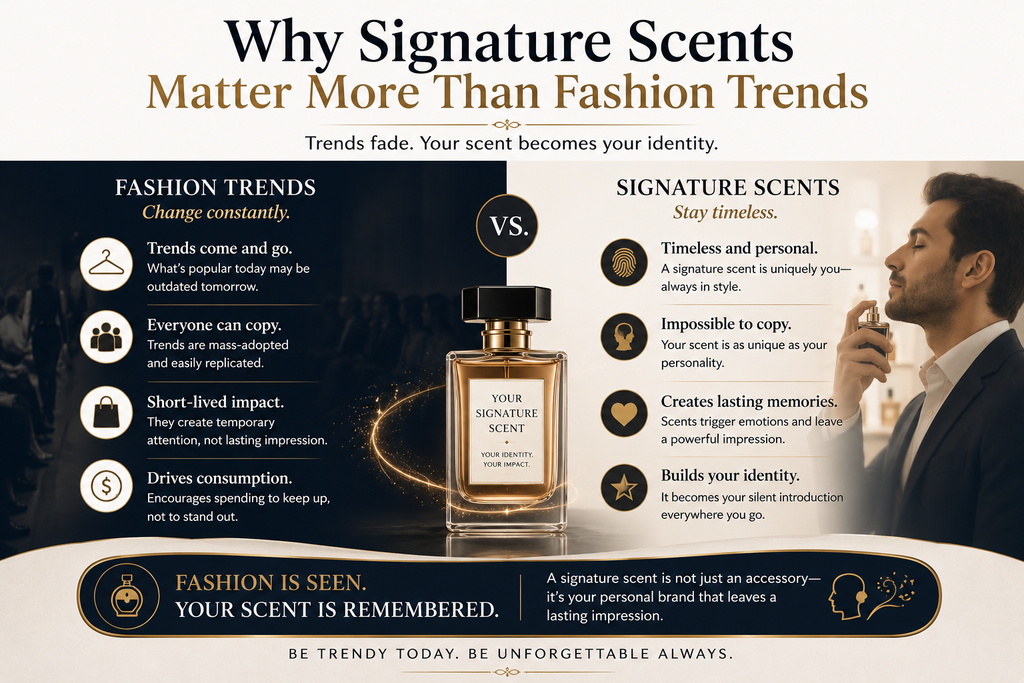
Today, perfume serves as a powerful form of self-expression. A signature scent can communicate personality, confidence, and style without saying a word.
Luxury fragrances offer consumers the opportunity to distinguish themselves through unique and memorable scents. This emotional connection adds to the perceived value of premium perfumes and strengthens their association with prestige.
The Modern Luxury Fragrance Market
In today's world, luxury perfumes continue to thrive because they combine heritage, craftsmanship, exclusivity, and emotional appeal. Consumers are increasingly seeking authentic experiences and products that reflect individuality and sophistication.
Whether crafted from rare ingredients, inspired by centuries-old traditions, or presented in exquisite packaging, luxury perfumes remain a timeless symbol of elegance and status.
Conclusion
Perfume became a symbol of luxury through centuries of exclusivity, artistry, and cultural significance. From the palaces of ancient Egypt to the boutiques of modern fragrance houses, perfumes have represented wealth, refinement, and personal expression. As the fragrance industry continues to evolve, luxury perfumes remain cherished not only for their scent but also for the stories, craftsmanship, and prestige they embody.
Related post

03
Jun